
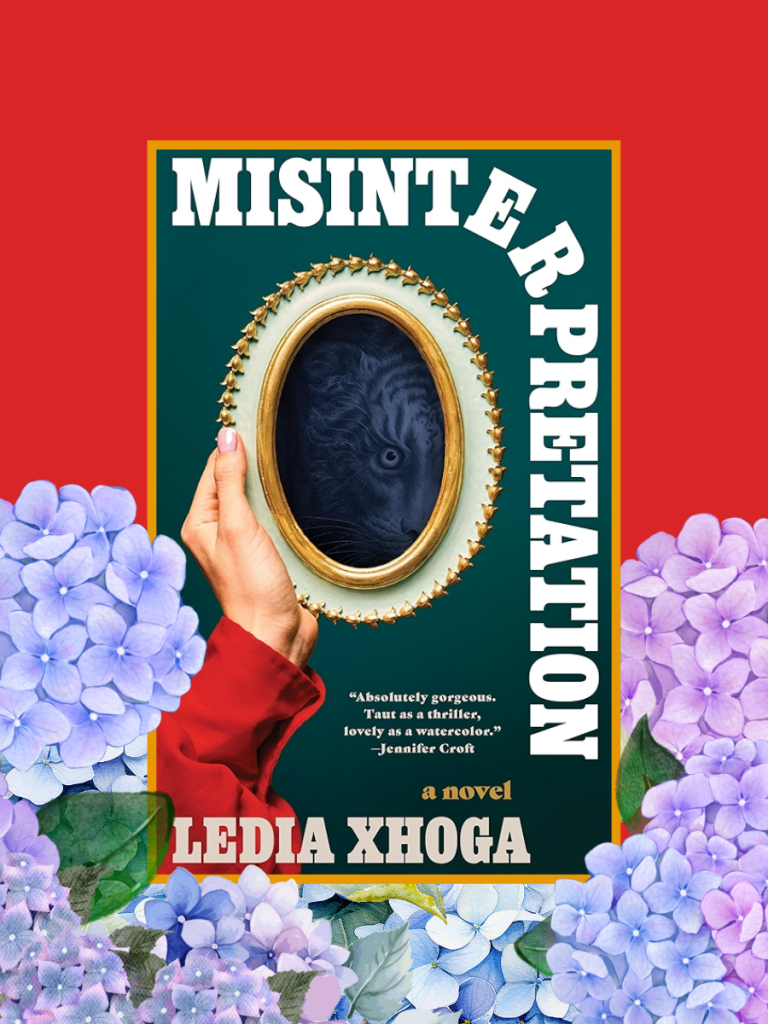
Rating: ⭐⭐⭐ (3/5 stars)
Sometimes you pick up a book that challenges you in unexpected ways, and that’s exactly what happened with Misinterpretation by Ledia Xhoga from the 2025 Booker Prize longlist. While it wasn’t quite what I expected, there’s definitely something compelling about this debut that kept me thinking long after I finished it.
What’s This Book Actually About?
So here’s the deal: we follow this Albanian-American interpreter living in New York who literally cannot say no to helping people. And I mean cannot. She’s filling out immigration forms, sitting through therapy sessions with torture survivors, and even letting a domestic abuse victim crash at her place (whose stalker, by the way, is getting more dangerous by the day).
All of this is happening while her marriage to Billy is falling apart and we get these little snapshots of her family back in Albania. Basically, she’s putting everyone else first and her own life is imploding.
What Really Struck Me
What I Genuinely Loved
- That haunting atmosphere: Xhoga creates this dreamlike, unsettling mood that stayed with me. There’s something almost hypnotic about her writing style
- Rich cultural insights: The Albanian-American experience is beautifully woven throughout, giving us perspectives we don’t often see in contemporary fiction
- Thought-provoking themes: The Cicero quote at the beginning—”not for ourselves alone are we born”—really made me reflect on what we owe each other
What Made Me Pause
- Genre-blending approach: The book weaves together different storytelling styles, which creates an interesting but sometimes unpredictable reading experience
- Complex protagonist: Our narrator makes choices that are fascinating to analyze, even when they’re hard to understand in the moment
- Subtle storytelling: The quiet, measured tone treats all events equally, creating a unique but distinctive reading rhythm
5 Powerful Themes That Emerge
- The complexity of helping others: A thoughtful exploration of how compassion can become complicated
- Albanian-American identity: A rich portrayal of navigating life between two cultures
- Modern marriage challenges: How personal missions can create unexpected tensions in relationships
- Community healing: The ways trauma affects entire communities and how people support each other
- The interpreter’s dilemma: Being the bridge between worlds comes with its own unique pressures
Xhoga’s Writing Style
This reads like a thoughtful debut novel with a distinctive voice. Xhoga has a gift for creating atmosphere and building tension through quiet moments. Her dialogue feels natural, and while some metaphors work better than others, there’s clearly a developing talent here.
The book maintains this calm, almost meditative quality throughout—treating dramatic events with the same careful attention as everyday moments. It’s an interesting stylistic choice that creates a unique reading experience, even if it takes some getting used to.
There were enough intriguing hints and developments to keep me engaged, and I appreciated how Xhoga doesn’t give easy answers to complex questions.
Perfect For Readers Who Enjoy
This could be a great fit if you love:
- Nuanced stories about the immigrant experience
- Character-driven narratives with morally complex protagonists
- Atmospheric, literary fiction that makes you think
- Books that explore what we owe each other and our communities
- Stories that don’t follow traditional genre conventions
It might not be your cup of tea if you prefer:
- Fast-paced, plot-driven narratives
- Clear genre expectations with specific payoffs
- Straightforward protagonists with obvious motivations
- Books with definitive resolutions
My Take
Misinterpretation is an ambitious debut that tackles complex themes with genuine heart. While it may not be a perfect book, there’s something valuable in Xhoga’s approach to storytelling that I can appreciate, even when it challenged my expectations.
What impressed me most was the authenticity of the Albanian-American perspective and the way Xhoga explores the psychological complexity of her protagonist. The book asks important questions about community, responsibility, and what it means to help others—questions that stayed with me long after reading.
The atmospheric writing really is something special. Xhoga has a talent for creating mood and tension in subtle ways, and there’s a distinctive voice here that shows real promise for future work.
Is it flawless? No, but few debuts are. Is it interesting and worthwhile? Absolutely.
My recommendation: If you’re drawn to literary fiction that explores cultural identity and moral complexity, this is worth your time. It’s the kind of book that might not blow you away immediately, but will likely reward thoughtful readers who appreciate nuanced storytelling.
For those working through the Booker longlist or looking for diverse voices in contemporary fiction, Misinterpretation offers perspectives and insights you won’t find elsewhere.
Have you read Misinterpretation? I’d love to hear how it resonated with you—sometimes books hit different readers in completely different ways!

 jujucation.com