
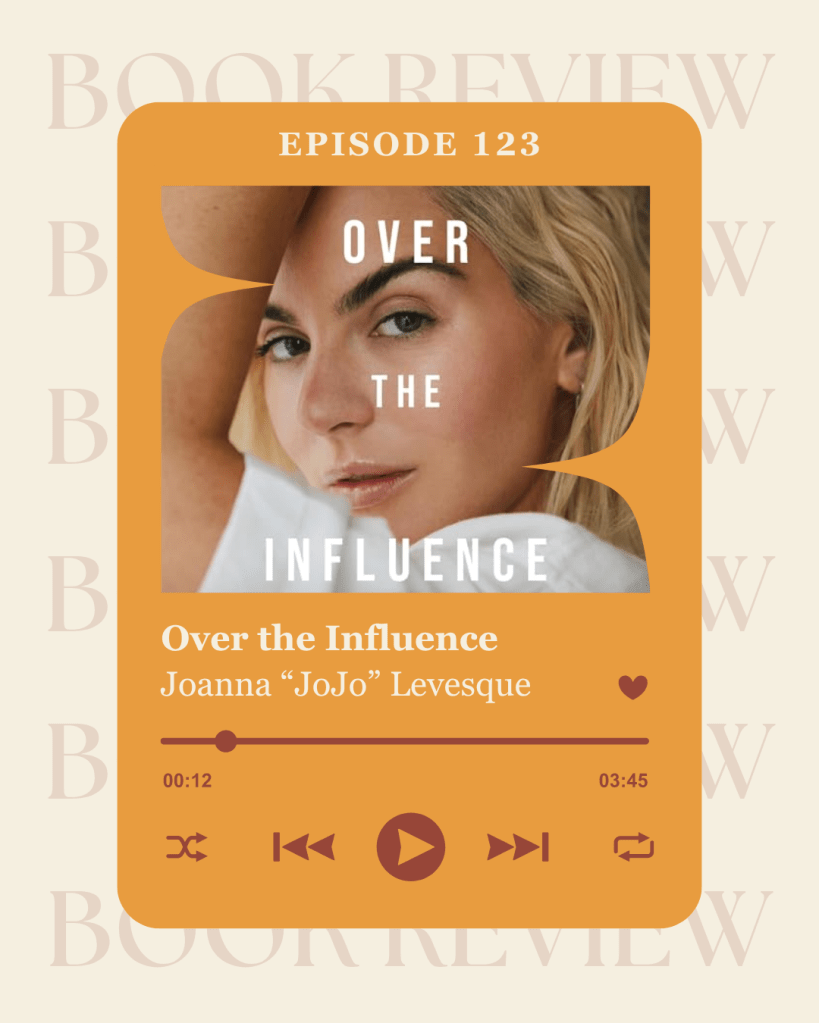
Child stars make us uneasy. We celebrate them, consume them, and then act surprised when they crack under the weight. JoJo Levesque—the thirteen-year-old who tore through “Leave (Get Out)” with the power of someone who’d already lived three lifetimes—knows that story all too well.
I’ll admit it: I grew up mesmerized by her voice while thinking her lyrics were way too grown for a kid in braces. “Too Little Too Late” hit different when you realized she was barely old enough to drive. Then, like so many young stars, she seemed to vanish. Not fade—vanish. There’s a difference.
“Over the Influence” tells you exactly where she went, and it’s not pretty. But here’s the thing: JoJo writes like someone who’s done the work, not someone performing recovery for applause. This isn’t a sanitized celebrity redemption arc. It’s messier than that. More honest. More useful.
What This Book Actually Is
Think of it as part music industry exposé, part addiction memoir, part survival manual for anyone who’s ever had to rebuild themselves from scratch. JoJo doesn’t just recount what happened to her—the predatory management, the label that shelved her for years, the addiction that ran through her family like a dark inheritance. She examines it with the kind of clear-eyed honesty that only comes after serious therapy and even more serious self-reckoning.
The voice here feels like a hybrid: Joan Didion’s unflinching self-examination, Nora Ephron’s refusal to take herself too seriously even when things are serious, and Dorothy Parker’s sharp observations about what people actually mean versus what they say. JoJo has earned this voice the hard way.
The Parts That Stay With You
What struck me most was how JoJo dissects the machinery of early fame—not with bitterness, exactly, but with the precision of someone who’s finally figured out how the trick was done. The sexualization of teenage girls in entertainment. The way the industry grinds down your sense of self until you’re performing a version of yourself even in private. The particular hell of watching your career get stolen in slow motion while adults who should have protected you cashed checks instead.
But she also writes beautifully about reclamation. How therapy became her anchor. How she fought for years to get her music back. How speaking your truth, even when your voice shakes, is sometimes the only power you have left.
The book moves between past and present with the natural rhythm of someone telling you their story over wine—jumping from childhood memories to industry horror stories to present-day reflections without losing the thread. It’s intimate without being indulgent, detailed without being dull.
Why This Matters Beyond Celebrity Gossip
Here’s what makes this memoir worth your time: JoJo isn’t asking for pity. She’s offering a roadmap. Not in that insufferable self-help guru way, but in the “here’s what I learned while my life was on fire” way that actually helps.
She’s specific about what therapy taught her. She names the boundaries she had to learn to set. She’s honest about the work of recovery—from addiction, from trauma, from the particular mindfuck of being famous before you know who you are. This specificity is what transforms the book from celebrity tell-all to something genuinely instructive.
The Seven Things This Book Will Make You Think About
- The real price tag of fame that never appears in Forbes lists or Instagram captions
- Practical tools for resilience that don’t involve platitudes about self-care bubble baths
- Your own boundaries (or lack thereof) and what you’re willing to tolerate from others
- How beauty standards actually function as a control mechanism, especially for women
- That you’re not alone in your struggles, even if your struggles don’t include platinum records
- The courage it takes to speak truth when silence would be so much easier and more profitable
- How reclaiming your narrative can be an act of revolution, not just therapy
Who Needs This Book
If you’ve ever felt exploited by a system bigger than you, this book speaks to that. If you’re navigating recovery (from addiction, trauma, toxic relationships, or just a really bad decade), JoJo’s candor offers companionship. If you love music and want to understand what happens behind those carefully curated Instagram moments, read this. If you’re simply trying to figure out who you are after spending years being who everyone else needed you to be—this is for you.
Fans of memoirs by Demi Lovato, Jennette McCurdy, or Britney Spears will find familiar terrain here, but JoJo’s perspective adds something specific about what it means to lose your career while you’re still young enough to rebuild it.
Who Can Skip It
If you want a breezy beach read full of glamorous parties and name-dropping, look elsewhere. If celebrity culture makes you roll your eyes, you probably won’t connect with the framework here, even though the lessons transcend fame. And if you prefer your memoirs to stay in the shallow end—all triumph, no darkness—JoJo goes deep enough that you’ll be uncomfortable.
The Final Note
“Over the Influence” does what the best memoirs do: it makes you think about your own life while telling you about someone else’s. JoJo Levesque has always had a voice that could stop you in your tracks. Now she’s using it to say things that matter beyond a three-minute song.
She disappeared not because she failed, but because the system that created her tried to destroy her when she stopped being profitable. That she’s here, telling this story in her own words, on her own terms, is its own kind of victory.
This isn’t just JoJo getting the last word. It’s her getting the first honest one.

 jujucation.com