
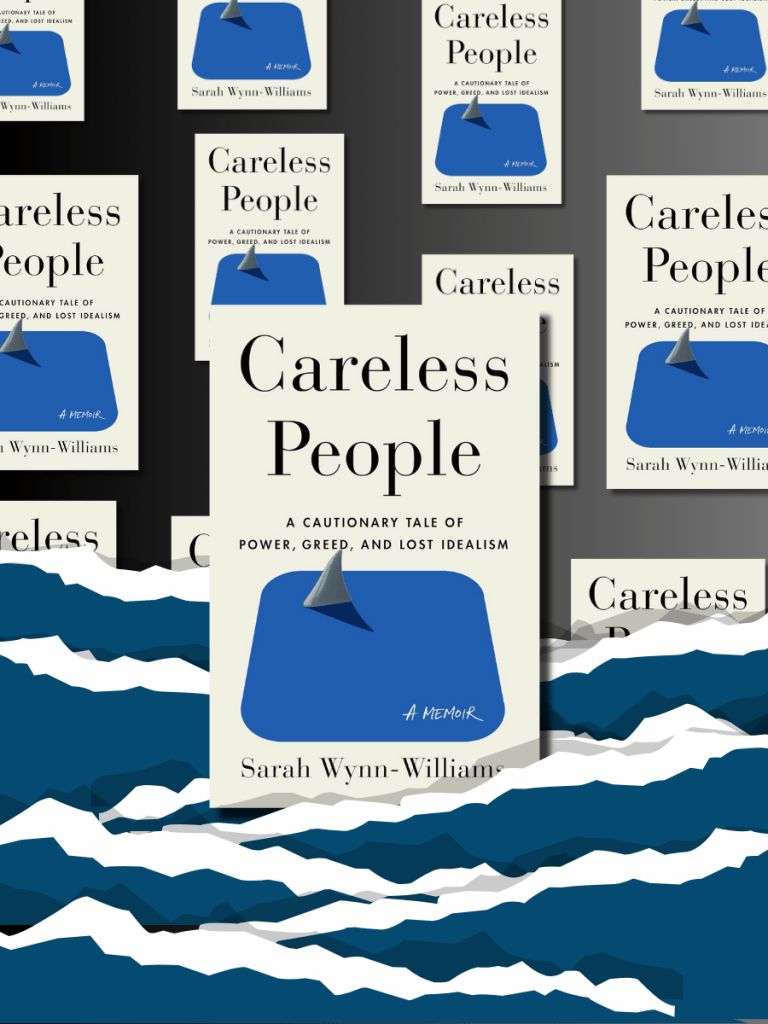
Yes, I’m writing this review while actively posting on Instagram. The irony isn’t lost on me—and we need to talk about that.
Some books whisper their warnings. Others grab you by the shoulders and shake you awake. This memoir? It does both while simultaneously serving as your therapist, your investigative journalist, and your most brutally honest friend rolled into one devastating package.
The book that Meta desperately didn’t want you to read is here—and now I understand why.
Written with the precision of a surgeon and the wit of someone who’s survived corporate hell, this insider account rips away the glossy veneer of Big Tech to reveal what’s really happening behind those motivational posters and kombucha bars. Our author spent years in the belly of the beast at one of the world’s most influential companies, and she’s serving up receipts with a side of dark humor that’ll make you laugh until you cry (and then just cry).
The Sheryl Sandberg Reckoning We’ve Been Waiting For
Here’s where this book gets spicy. For over a decade, Sheryl Sandberg has been the poster child for corporate feminism—the woman who told us all to “Lean In” while building her empire on the backs of… well, everyone else. This book pulls back that carefully curated curtain, and honey, it is NOT pretty.
We’re talking explosive comments that’ll make your jaw drop. Toxic behavior that was not just enabled but celebrated. And yes, there’s a particular remark about Filipino people that had me rereading the page three times because I couldn’t believe someone actually said that out loud.
Plot twist: The woman championing women’s advancement was apparently doing the exact opposite when the cameras weren’t rolling.
It’s the kind of hypocrisy that’s both infuriating and oddly validating—because how many of us have worked for leaders who preached inclusion while practicing exclusion? Who built their brands on empowerment while systematically disempowering others?
The Uncomfortable Truth About Complicity
Now here’s where I have to keep it real with you: this book isn’t perfect. While our author excels at calling out everyone else’s problematic behavior, she’s notably quieter about her own role in the machine.
She mentions staying for the health insurance (which, let’s be honest, is painfully relatable in America), but when you’re operating at that level, in those rooms where decisions are made… it’s hard to buy that you didn’t know the impact of your work. The writing is sharp, the insider tea is scalding (Zuck having meltdowns over board games, anyone?), but there’s a self-reflection-shaped hole that’s impossible to ignore.
And that gap? It actually makes the book more important, not less.
Because isn’t that the whole problem? How many of us have found ourselves complicit in systems we knew were broken, telling ourselves we were just trying to survive? How many times have we stayed quiet when we should’ve spoken up, or convinced ourselves that our small role didn’t really matter?
Why You Need to Read This (Even If It Makes You Uncomfortable)
This book is for every woman who’s been burned by the “girlboss” mythology. For everyone who’s sat in a meeting where someone said something wildly inappropriate and watched the room collectively pretend it didn’t happen. For those of us still untangling what we tolerated and why we tolerated it.
It’s messy. It’s uncomfortable. It’s imperfect. And that’s exactly what makes it essential.
Will it solve tech’s problems? No. Will it give you some uncomfortable truths to sit with about power, complicity, and the price of speaking up? Absolutely.
The Meta-Irony of It All
And now for the elephant in the room: I’m writing this scathing review of a book about Meta’s toxicity while literally maintaining an active presence on Instagram and Facebook. The irony is so thick you could cut it with a knife.
Am I a hypocrite? Probably.
But maybe that’s the point. We’re all trapped in systems we critique, using platforms that don’t align with our values because opting out feels impossible—or at least impractical. I need these platforms for my work, my community, my livelihood. And every day I use them, I’m making the same compromise our author made when she stayed for the health insurance.
The question isn’t whether we’re complicit—we all are. The question is what we do with that uncomfortable truth.
The Verdict
This book won’t give you easy answers or comfortable conclusions. It won’t paint anyone as purely villain or hero. What it will do is hold up a mirror to the systems we’re all navigating and ask the questions we’re all avoiding.
Rating: 4.5/5 stars (losing half a star for the self-reflection gap, but gaining back credibility points for the sheer audacity of taking on Silicon Valley’s golden girl)
Read this if: You’ve ever felt gaslit by corporate “values,” questioned the cost of your own compromises, or wondered what really happens in those exclusive boardrooms where our digital lives get decided.
Skip this if: You prefer your memoirs without moral complexity or uncomfortable questions about your own choices.
What do you think? Are we all just trying to survive in systems we hate, or do we have more power than we’re willing to admit? Drop your thoughts in the comments—I promise to read them all, even the ones calling out my own contradictions.

 jujucation.com