
Three lies that keep your art supplies gathering dust—and the simple truth that changed everything.
Tokyo Station, April 2019. Luggage wheels rattling, phone clutched tight, heart hammering with anticipation. My destination wasn’t the legendary ramen shops or ancient temples—it was Ginza Itoya, twelve floors of pure stationery bliss.
By the third floor, surrounded by hand-crafted fountain pens and premium papers promising infinite creative potential, my carefully planned budget had evaporated like morning mist. But something else had crystallized: the uncomfortable truth about my relationship with creativity.
I’m a collector masquerading as a creator.
Sound familiar? You follow watercolor artists on Instagram. You bookmark tutorials you’ll “try later.” Your supplies multiply while your finished pieces remain stubbornly at zero. You’re drowning in inspiration but starving for creation.
Here’s what I discovered when I finally stopped running from this pattern.
The Three Lies We Tell Ourselves
Lie #1: “Creativity is indulgent. I should focus on serious things.”
This is the productivity culture speaking—the voice that says everything must generate profit or solve problems to matter. It whispers that using “good” supplies without skill is wasteful, that you must earn the right to create.
Here’s what Twyla Tharp knows that we’ve forgotten: Even the High Priestess of Creative Movement rehearses in messy sweats. The beauty comes later.
Your watercolor pans aren’t museum pieces—they’re tools. Their purpose is to be touched, splashed, experimented with. Unused supplies bring zero joy. Supplies used “badly” create experience, learning, relief.
Rick Rubin puts it plainly: Making things “for yourself” is the only way authentic work emerges. And it pays dividends everywhere else. Creativity isn’t luxury—it’s mental cross-training. Studies prove creative hobbies boost problem-solving, resilience, even career performance.
When you give yourself permission to create just for you, you refill the well that feeds everything else.
Lie #2: “I’m not talented. I wasn’t born creative.”
This is the fixed mindset talking—the belief that abilities are carved in stone at birth. It’s also complete fiction.
Carol Dweck’s research demolishes this myth. Talent matters far less than practice plus feedback. Austin Kleon cuts through the pretense: “Start before you’re ready. Copy to learn.”
You don’t need to be original to begin. You need to start doing the reps. Creativity is a muscle, not a birthright. Having a good idea isn’t a prerequisite for starting. Starting and having fun is a prerequisite for getting good ideas.
Lie #3: “It won’t be good enough. I’ll embarrass myself.”
Steven Pressfield calls this Resistance—the inner force that blocks us from doing our work. It’s the voice that says if you don’t try, you can’t fail.
What a spectacular self-sabotage.
Here’s the antidote: Make bad work proudly. It’s raw material for good work. No one judges your attempts as harshly as you do. And here’s the kicker—most people aren’t watching anyway.
The Turn
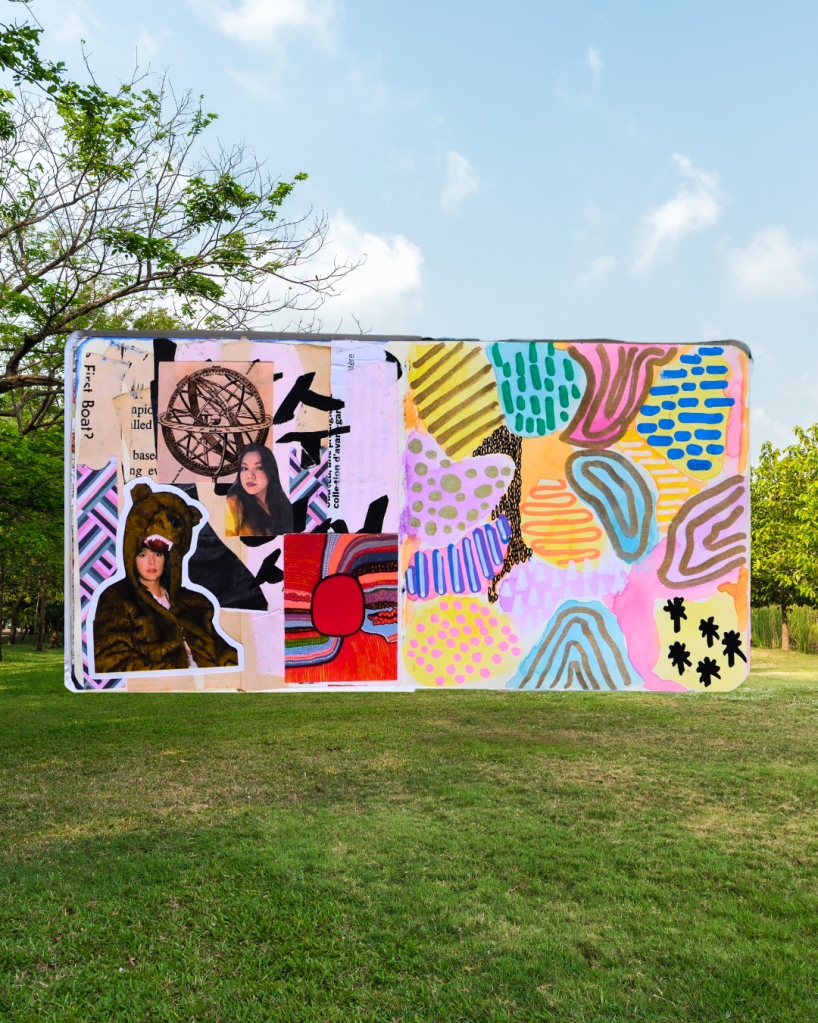
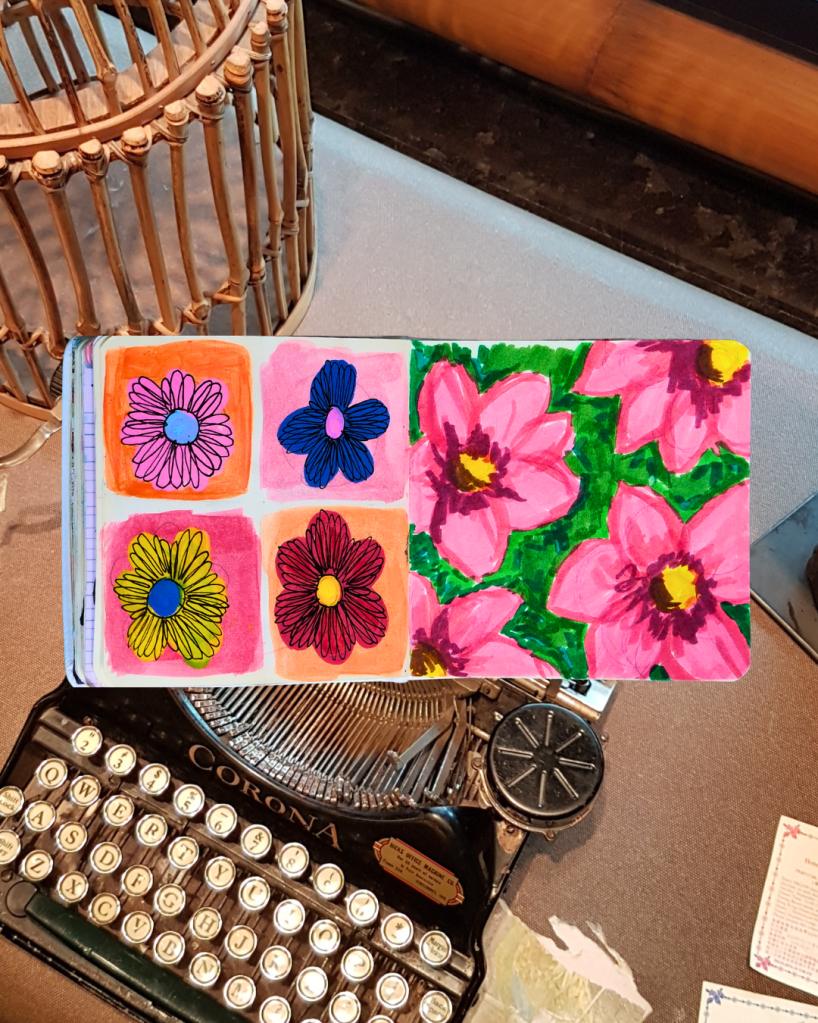
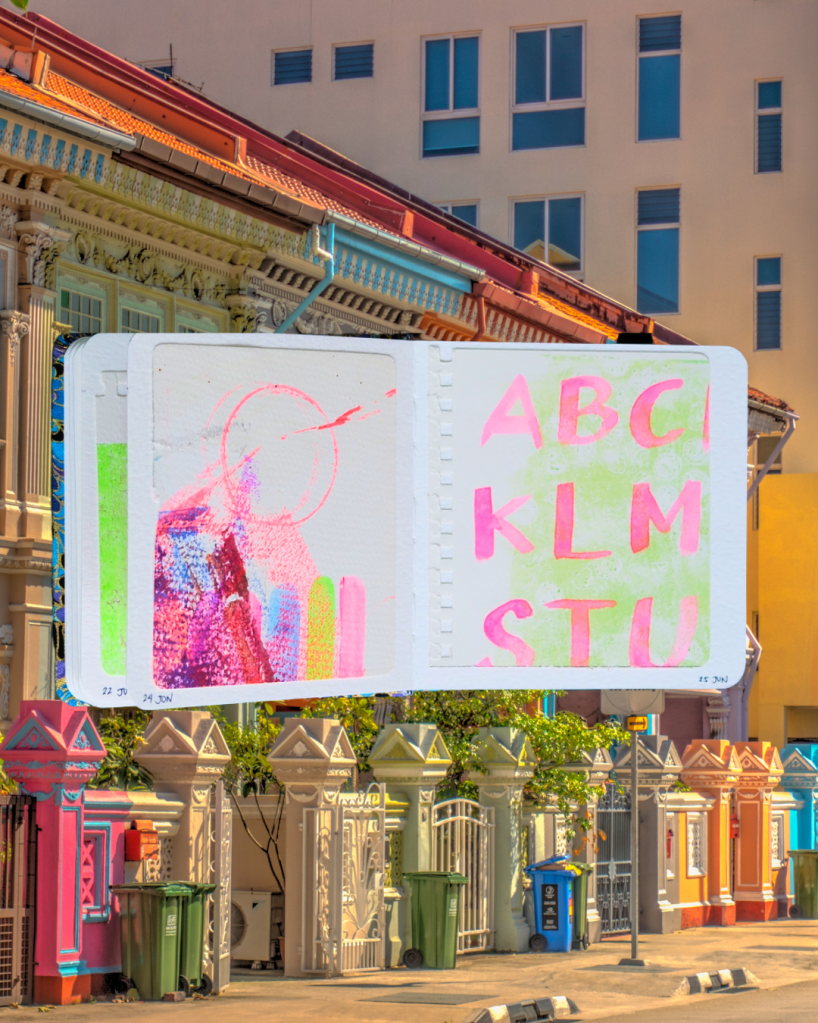
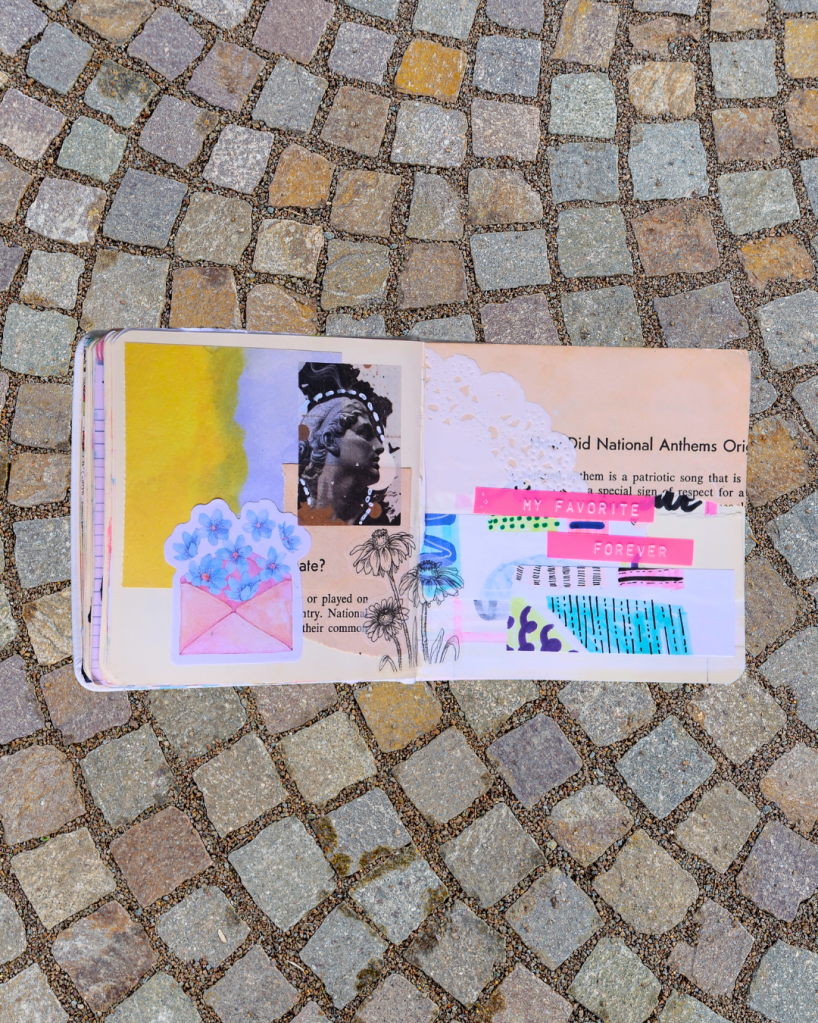

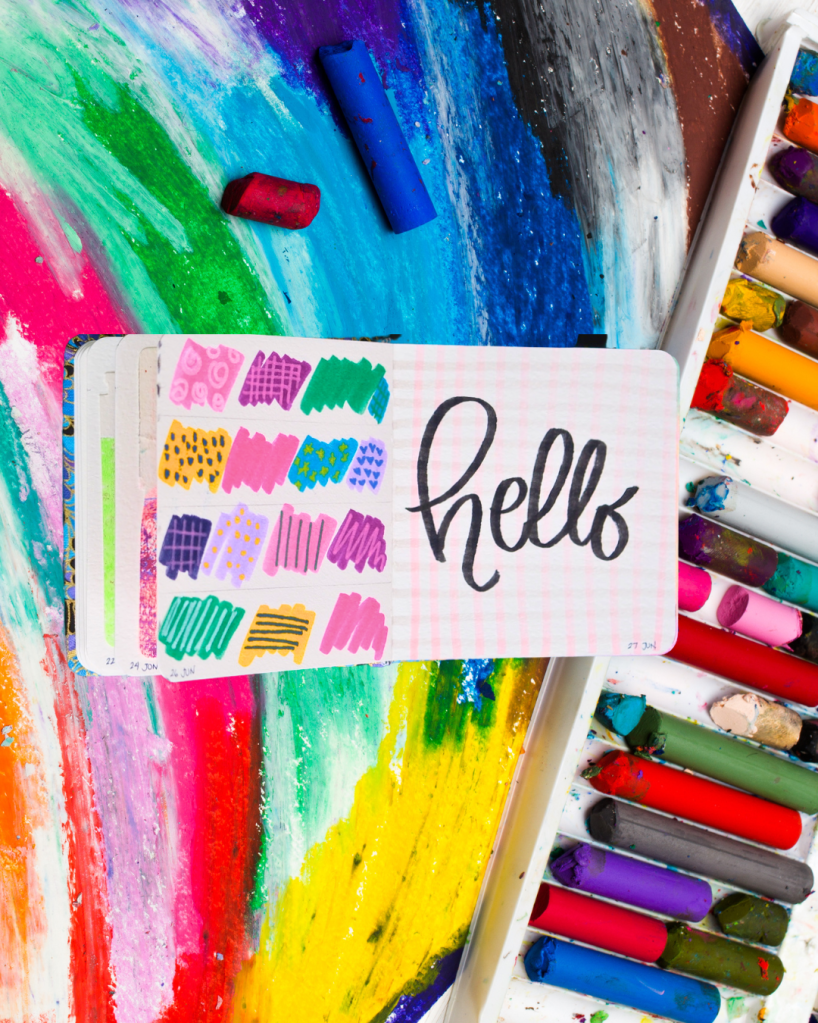
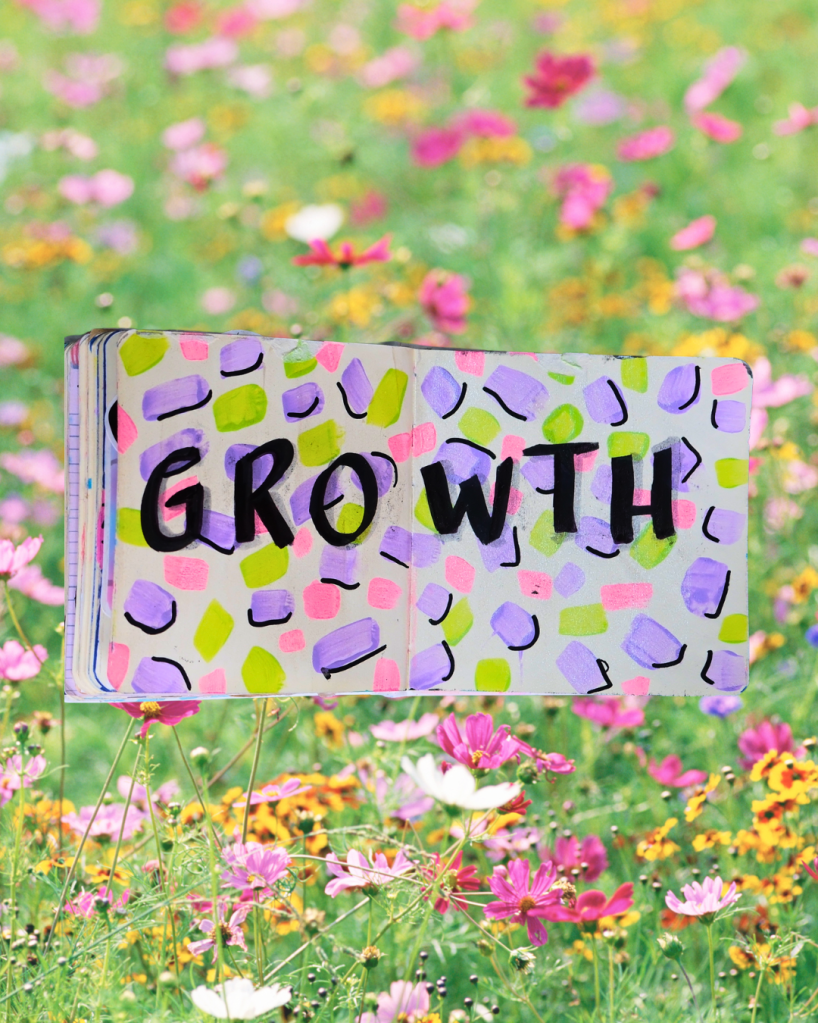
Seven days ago, I made a decision. Instead of collecting, I would create. Instead of perfection, I would play.
I grabbed a 12cm x 12cm sketchbook—small enough to feel manageable, big enough to matter. I rehydrated my neglected watercolor pans. I gathered overlooked supplies: stickers, magazine cutouts, washi tape.
No grand vision. No elaborate plan. Just this: Choose a color I loved. Lay it on the page. See what happened next.
Seven pages later, something had shifted. Not just in the journal—in me.
The work wasn’t perfect. It was mine. And for the first time in years, that was enough.
Your Turn
Somewhere in your space, supplies are waiting. Not for you to be worthy of them, but for you to remember what they’re really for.
Not perfection. Play.
Not profit. Process.
Not later. Now.
Your creativity doesn’t need permission from anyone else.
But it does need permission from you.


